Table of Contents
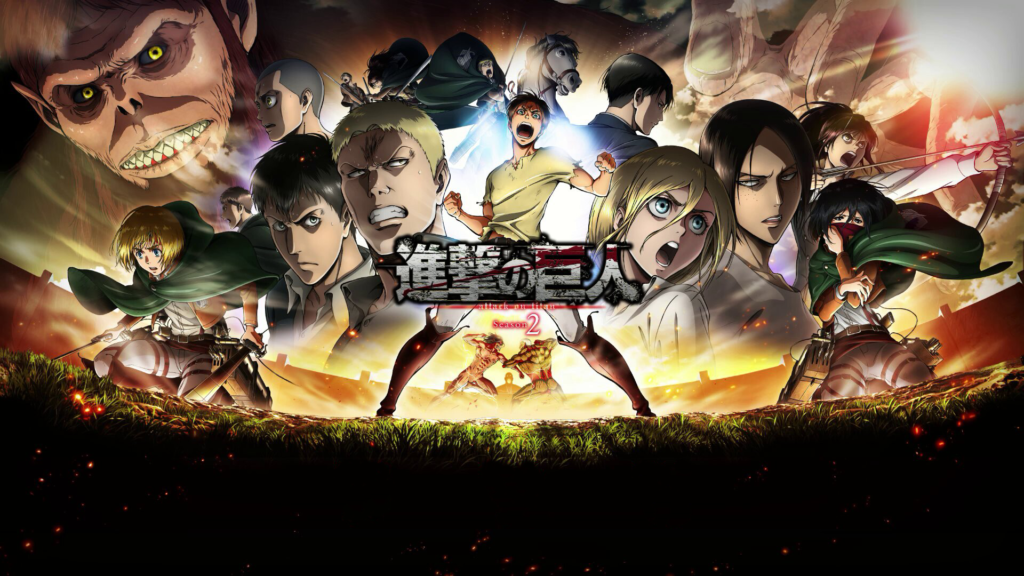
In this Attack on Titan Season 2 review, we take a deeper look at how the series evolves beyond its explosive first season. While the original season was defined by intense action, large-scale battles, and constant urgency, this second installment takes a more deliberate and focused approach. It shifts the spotlight toward mystery, psychological tension, and character development—resulting in a darker, more layered experience that expands the narrative in meaningful ways.
What makes this transition particularly interesting is that Attack on Titan Season 2 does not attempt to immediately surpass the spectacle of its predecessor. Instead, it builds upon it by slowing the pace and emphasizing atmosphere. This creative decision may feel unexpected at first, especially for viewers expecting continuous action, but it ultimately strengthens the story and deepens the overall world-building.
Story Overview
At its core, Attack on Titan Season 2 continues humanity’s struggle against the Titans, but the focus shifts from external conflict to internal uncertainty.
The narrative picks up from the aftermath of previous events, where new threats emerge and existing mysteries begin to take shape. Rather than presenting a straightforward continuation, the story carefully builds tension by introducing new questions while revisiting unresolved ones.
This approach creates a sense of unease that remains consistent throughout the season. The viewer is constantly aware that something is not quite right, even in moments that appear calm on the surface.
Story & Narrative Depth
One of the defining strengths of Attack on Titan Season 2 is its commitment to narrative depth.
The season moves away from constant action and instead focuses on psychological tension and thematic exploration. It examines ideas such as trust, identity, fear, and the nature of truth—concepts that were only hinted at in the first season.
What makes this storytelling effective is its balance between revelation and mystery. While certain questions are addressed, many are expanded upon, adding complexity to the narrative. This layered approach encourages viewers to actively engage with the story rather than passively consume it.
Additionally, the season challenges the viewer’s perception of the world. Events that once seemed clear begin to take on new meanings, and previously established assumptions are gradually questioned. This shift transforms the story from a simple survival narrative into a more intricate and thought-provoking experience.
Character Development
Character writing becomes a central focus in Attack on Titan Season 2, elevating the emotional impact of the story.
Unlike the first season, which prioritized large-scale conflict, this installment dedicates more time to exploring individual characters—particularly those who were previously in the background. By doing so, it adds depth to the overall narrative and strengthens the connection between the audience and the characters.
Eren Yeager continues to evolve, facing challenges that test not only his strength but also his beliefs. His journey becomes more complex as he begins to confront the limitations of his understanding.
Meanwhile, Mikasa Ackerman remains a strong and consistent presence, providing both emotional grounding and unwavering determination. Armin Arlert, on the other hand, continues to demonstrate the importance of strategy and intellect, offering a different perspective on conflict.
What stands out most is how the season explores characters beyond the main trio. By giving more attention to secondary characters, the story introduces new emotional layers and perspectives. This not only enriches the narrative but also makes key moments more impactful.
Themes & Moral Complexity
A significant aspect of Attack on Titan Season 2 is its exploration of moral ambiguity.
The idea that there is no clear distinction between good and evil becomes more pronounced. Characters are placed in situations where every decision carries consequences, and motivations are rarely simple.
This complexity adds a darker tone to the story, making it more mature and thought-provoking. It forces the viewer to question not only the actions of the characters but also their own assumptions about right and wrong.
Themes such as fear, survival, loyalty, and betrayal are explored in a way that feels both realistic and emotionally resonant. These elements contribute to the overall intensity of the season, even in the absence of constant action.
Atmosphere & Direction
One of the most effective elements of Attack on Titan Season 2 is its use of atmosphere.
The direction emphasizes tension through subtle techniques such as silence, close-up shots, and controlled pacing. Rather than relying on spectacle, the anime builds suspense through anticipation and uncertainty.
This approach creates a constant sense of unease, keeping viewers engaged even during quieter moments. The pacing allows scenes to breathe, giving emotional and psychological moments the space they need to have a lasting impact.
The cinematic quality of the direction enhances the overall experience, making the story feel more immersive and refined.
Animation & Visual Quality
From a technical standpoint, Attack on Titan Season 2 maintains a high level of visual quality.
The animation remains fluid and detailed, with strong emphasis on character expressions and environmental design. The visual style continues to reflect the dark and oppressive nature of the world, reinforcing the tone of the story.
Although the number of large-scale action scenes is reduced, the quality of those that remain is consistently high. Each sequence is carefully crafted to ensure that it feels impactful and meaningful within the context of the narrative.
Action & Pacing Balance
The reduced focus on action is one of the most noticeable differences in Attack on Titan Season 2.
However, this does not mean that the season lacks intensity. Instead, it redistributes that intensity across different aspects of the story, including dialogue, character interactions, and suspense.
When action sequences do occur, they feel more significant because they are not constant. This balance prevents fatigue and ensures that each moment carries weight.
That said, the slower pacing may not appeal to all viewers, particularly those who preferred the nonstop energy of the first season.
Soundtrack & Audio Design
The soundtrack continues to be a defining element of Attack on Titan Season 2.
Music is used with precision, enhancing both emotional and intense moments without overwhelming them. It complements the atmosphere and helps build tension in subtle ways.
Sound design adds another layer of immersion. From environmental sounds to the impact of movement and action, each element contributes to a cohesive audio experience.
Voice acting remains strong, bringing authenticity and emotional depth to the characters. The performances play a key role in conveying the complexity of the narrative.
Strengths & Weaknesses
Pros:
- Deeper and more complex narrative
- Strong character development, especially for secondary characters
- Darker and more mature tone
- Effective use of tension and atmosphere
- High-quality direction and soundtrack
Cons:
- Slower pacing compared to Season 1
- Short season length limits some developments
- Reduced emphasis on large-scale action
Overall Experience
Overall, Attack on Titan Season 2 offers a more refined and thoughtful continuation of the series. It does not attempt to replicate the intensity of the first season but instead builds upon it by adding depth and complexity.
This shift in focus allows the story to grow beyond its initial premise, transforming it into a more layered and engaging experience. While it may not appeal to everyone, it plays a crucial role in the overall narrative progression of the series.
Final Verdict
Attack on Titan Season 2 is a bold continuation that prioritizes depth, atmosphere, and character development over spectacle. It expands the world in meaningful ways and sets the stage for even greater developments in later seasons.
Rating Breakdown
- Story: 9/10
- Characters: 8.9/10
- Animation & Visuals: 8.8/10
- Soundtrack & Audio: 9/10
- Pacing: 8.3/10
⭐ Overall Rating: 8.8/10
Should You Watch It?
If you are looking for a deeper, more psychological continuation of the story, Attack on Titan Season 2 is definitely worth watching. It may not deliver constant action, but it provides a richer and more immersive narrative experience.