Table of Contents
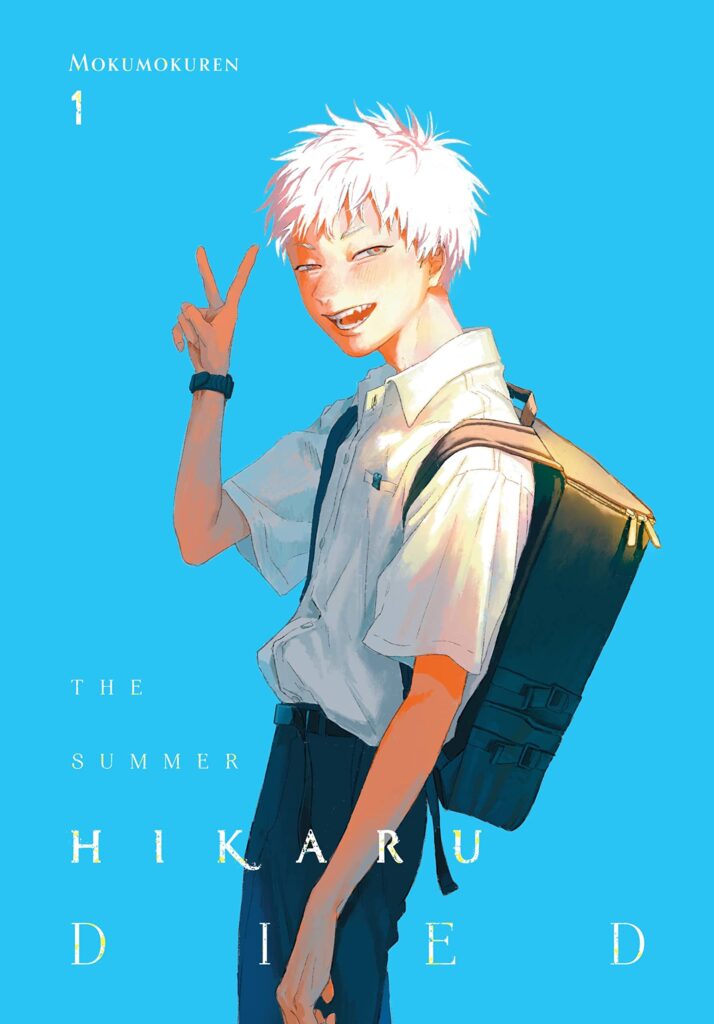
In the contemporary manga landscape, few works manage to blend the unsettling atmosphere of cosmic horror with the tender, aching grief of a “slice-of-life” drama quite like Mokumokuren’s breakout hit, The Summer Hikaru Died (Hikaru ga Shinda Natsu). It is a story that doesn’t just aim to scare the reader; it aims to haunt the very way we perceive identity, memory, and the bonds of friendship. This review will dissect why this series is being hailed as the horror peak of the decade.
I. The Narrative Foundation: A Summer Stained by Silence
The story is set in a quiet, rural Japanese village—a setting often associated with nostalgia and tranquility. However, here, the atmosphere is thick with the oppressive heat of summer, the stagnant air of a town where time feels frozen, and the relentless, deafening buzz of cicadas.
The protagonists, Yoshiki and Hikaru, have been inseparable best friends since childhood. Their bond is the kind that defines a person’s identity; they are two halves of a whole. This stability is shattered when Hikaru goes missing in the mountains for a week. When he finally returns, he looks like Hikaru, talks like him, and even possesses his deepest memories. But Yoshiki, driven by an instinct only a lifelong companion could have, realizes the truth almost immediately: The real Hikaru is dead.
What stands before him is an ancient, nameless entity from the mountains that has inhabited Hikaru’s corpse. The horror of this premise is found not in a violent takeover, but in the entity’s desperate, clumsy attempt to “be” Hikaru, and Yoshiki’s even more devastating decision to accept this “thing” just to keep his friend’s image alive.
II. Redefining Horror: The Power of the Uncanny
What sets The Summer Hikaru Died apart from its peers is its mastery of atmospheric and psychological dread over traditional jump scares or gore.
- The Uncanny Valley Effect: The entity is not a perfect mimic. It makes small errors in human logic, its physical form sometimes shifts in grotesque ways beneath its clothes, and it lacks the fundamental “spark” of human empathy. This creates a constant, low-level state of anxiety.
- Cosmic vs. Personal Horror: While the entity represents a cosmic, unknowable threat from the wilderness, the true horror is intensely personal. It is the horror of looking at the person you love most and realizing there is something hollow and alien behind their eyes.
- Isolation in Plain Sight: Because the rest of the village—and even Hikaru’s family—accepts the entity as the real Hikaru, Yoshiki is trapped in a unique kind of isolation. He is the only witness to the truth, making the sunny village feel more claustrophobic than any haunted house.
III. Visual Innovation: Art as a Tool of Terror
Mokumokuren’s art style is a critical component of the manga’s success. The creator uses the medium of manga to its fullest potential, breaking traditional paneling and shading rules to convey madness and distortion.
- Visual Noise: The manga literally visualizes the “noise” of the summer—the buzzing of insects and the oppressive heat—through heavy cross-hatching and distorted backgrounds. This makes the reader feel the same sensory overload as the characters.
- Abrupt Transitions: The art can shift from a soft, beautiful aesthetic to a visceral, body-horror nightmare in a single page. This unpredictability keeps the reader on edge, never allowing them to feel safe.
- Inhuman Expressions: The way the entity “wears” Hikaru’s face is masterfully drawn. Sometimes the smile is a fraction too wide, or the eyes stay open a second too long, signaling to the reader that something is fundamentally “off.”
IV. A Dark Metaphor for Toxic Grief
At its core, the manga serves as a dark, twisted metaphor for the inability to let go. Yoshiki’s choice is the central tragedy of the story. He is so broken by the loss of his friend that he enters into a “contract” with a monster. He chooses a comfortable lie over a devastating truth.
This dynamic explores the darker side of love:
- Identity vs. Image: If something has all your memories and looks like you, are they you? Yoshiki struggles with whether he loves the soul of Hikaru or simply the presence of him.
- The Price of Denial: By keeping the entity close, Yoshiki is essentially allowing a parasite to inhabit his life, sacrificing his own mental health to maintain a ghost of a relationship.
V. Conclusion: Why It Is the Peak of the Decade
The Summer Hikaru Died is a rare masterpiece that succeeds as both a high-concept horror story and a deeply emotional character study. It challenges the reader’s perceptions of what makes us “human” and asks the terrifying question: If someone you loved died, and something else came back looking exactly like them, could you tell the difference? And more importantly, would you even want to?
For fans of mystery, psychological thrillers, and groundbreaking art, this manga is an essential addition to any collection. It is a chilling reminder that sometimes, the most frightening things aren’t hiding in the dark—they are standing right next to us, smiling with a face we used to love.
Final Rating: 9.1/10
A chilling, beautiful, and deeply uncomfortable experience that will make you look twice at the people you think you know best.