Table of Contents
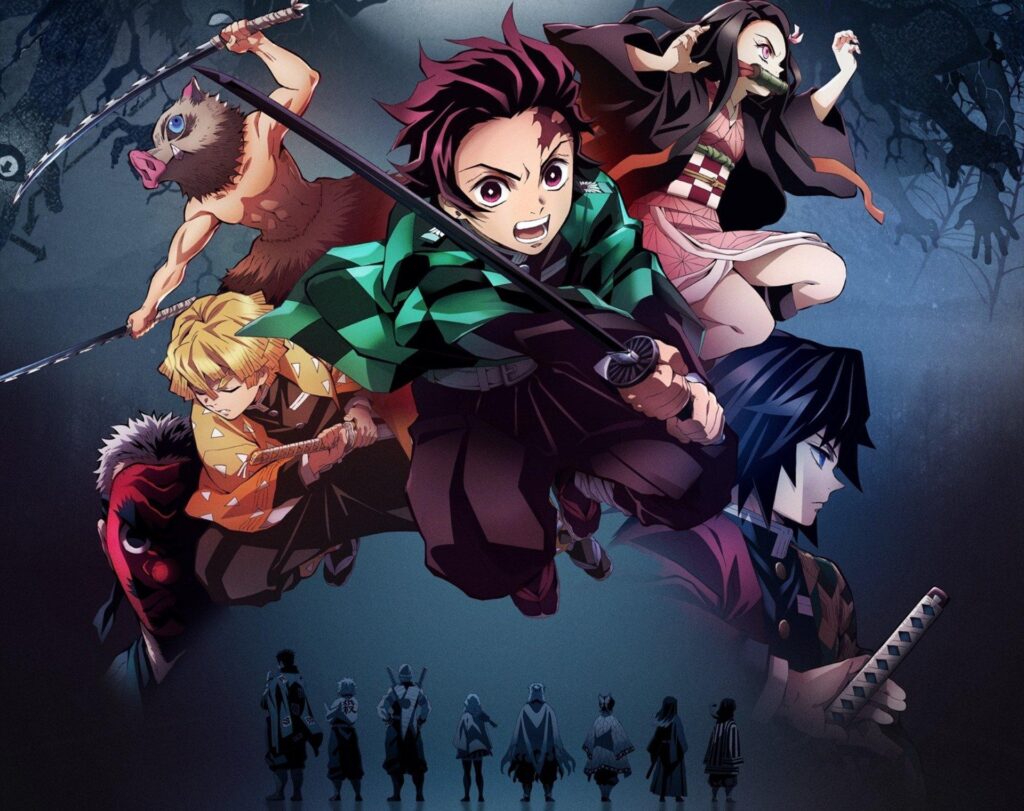
Following the monumental and record-breaking success of the “Mugen Train” cinematic feature, studio Ufotable triumphantly returned to the small screen with Demon Slayer Season 2. This installment, which primarily focuses on the high-stakes “Entertainment District Arc,” represents much more than a simple continuation of Tanjiro Kamado’s perilous journey. Instead, this Demon Slayer sequel serves as a definitive masterpiece, showcasing the absolute peak of modern anime production by seamlessly blending visceral emotional drama with technical artistry that remains unparalleled in the industry.
In this comprehensive Demon Slayer review, we will take a deep dive into the narrative complexities and technical milestones that define this specific chapter. From the vibrant, neon-lit streets of Yoshiwara to the dark, tragic backstories of its primary antagonists, Demon Slayer Season 2 sets a formidable new benchmark for the shonen genre. It challenges our perceptions of heroism and villainy while delivering some of the most breathtaking combat sequences ever put to film, proving once again why the Demon Slayer franchise continues to dominate the global cultural landscape in 2026.
The Narrative Descent into Yoshiwara
The story of Demon Slayer Season 2 begins with Tanjiro, Zenitsu, and Inosuke joining the Sound Hashira, Tengen Uzui, on a dangerous infiltration mission into the Yoshiwara Entertainment District in Tokyo. Their objective is to locate Tengen’s missing wives and investigate rumors of a powerful demon lurking within the shadows of the city’s glowing lanterns.
The pacing of this arc is masterful, utilizing a slow-burn approach that rewards patient viewers. It starts as a lighthearted, almost comedic espionage tale, with the trio attempting to blend into the “Oiran” life through humorous and often absurd disguises. However, this facade quickly shatters, transitioning into a brutal, relentless battle that consumes the final several episodes. The confrontation against the Upper Rank Six siblings, Daki and Gyutaro, is not just a clash of swords, but a tragic exploration of the darkness that defines the lives of those forgotten by society.
Tengen Uzui: The Flamboyant Shinobi with a Human Heart
Tengen Uzui stands out as a unique addition to the Hashira roster, providing a sharp contrast to the stoic and self-sacrificing nature of Kyojuro Rengoku. Tengen is a “flamboyant” former shinobi who carries the heavy scars of a harsh and restrictive past.
His personal philosophy—prioritizing his wives and innocent lives over the mission itself—adds a refreshing human layer to the series. He represents a leader who values the emotional bonds of the living as much as the weight of his duty. Throughout the arc, we see Tengen struggle with his own perceived inadequacies compared to other Hashira, yet his sheer willpower and tactical brilliance during the final showdown make him one of the most resonant characters in the series.
Daki and Gyutaro: A Reflection of Social Tragedy
One of the strongest elements of this season is the backstory of the primary antagonists, which elevates the conflict from a simple “good vs. evil” narrative to a profound social commentary. Daki and Gyutaro are portrayed not as one-dimensional monsters, but as victims of extreme poverty and social cruelty.
Their transformation into demons serves as a desperate act of vengeance against a world that offered them no mercy or dignity during their human lives. This creates a haunting and deliberate parallel to Tanjiro and Nezuko’s own bond. Both pairs of siblings fought with everything they had to protect one another, but the circumstances of their environment determined who became the hero and who fell into the abyss of demonhood.
Ufotable’s Visual Masterpiece: Redefining Animation
Technically, the “Entertainment District Arc” is an absolute triumph of animation, pushing the boundaries of what is possible on a television budget. Ufotable utilized advanced 3D and 2D integration to create a cinematic experience that feels like a moving painting.
- Fluidity and Sakuga: The final battle sequences in the later episodes are among the greatest in anime history, utilizing sweeping camera angles that place the viewer in the heart of the destruction. Every frame feels deliberate, with a level of detail that is usually reserved for feature films.
- Lighting and Color: The contrast between the vibrant, festive lights of the district at night and the explosive, colorful effects of Tengen’s “Sound Breathing” and Tanjiro’s “Hinokami Kagura” is breathtaking. The use of particle effects and dynamic lighting makes every encounter feel alive and dangerous.
- Direction and Impact: The direction emphasizes the weight and speed of every strike, ensuring that the physical and emotional stakes feel tangible throughout the conflict. The choreography of the fight between Tengen and Gyutaro is a masterclass in visual storytelling, showcasing speed and power without losing the viewer’s sense of spatial orientation.
Soundtrack and Performance: The Pulse of the Night
The score, composed by Yuki Kajiura and Go Shiina, perfectly captures the historical and festive atmosphere of Yoshiwara while heightening the intensity of the action. The music shifts seamlessly from traditional Japanese instruments during the investigative phase to heavy, orchestral themes during the combat.
The opening theme, “Zankyou Sanka” by Aimer, became an instant classic, perfectly embodying the energy, flair, and underlying tension of Tengen Uzui’s character. Furthermore, the voice acting elevates the experience to new heights, particularly during the emotional climax where the bond between the demonic siblings is tested to its absolute limits, leaving the audience with a sense of profound melancholy.
The Evolution of the Trio: Growth Under Fire
While Tengen Uzui takes center stage, the growth of Tanjiro, Zenitsu, and Inosuke cannot be overlooked. In this arc, we see the trio evolve from students into capable warriors who can stand their ground against an Upper Moon.
Tanjiro’s struggle to master the “Hinokami Kagura” (Sun Breathing) while his body breaks down from the strain is a testament to his sheer determination. Zenitsu’s unconscious mastery of “Thunder Breathing” reaches new heights of speed, and Inosuke’s tactical adaptability proves vital in the fight against Daki. Their teamwork in the final episodes demonstrates a level of synergy that only comes from shared trauma and a singular focus on protecting the innocent.
Final Verdict: A New Standard for the Medium
The second season of Demon Slayer is a powerful reminder that anime is a profound visual art form. It balances explosive, high-octane action with poignant human stories that challenge our perceptions of morality and justice. For fans of high-quality production and deep character analysis, this arc is an essential watch that sets a high bar for the future of the shonen genre.
It is a journey that proves even in the most dazzling lights, the shadows of the past can never be truly escaped, and that the strength to move forward often comes from the very bonds we refuse to let go of. The Entertainment District Arc is not just a high point for Demon Slayer; it is a high point for the entire medium of animation in 2026.